


Make-ten puzzles explained: how Fruit Box-style number games work
Published November 3, 2026 · Updated November 25, 2026
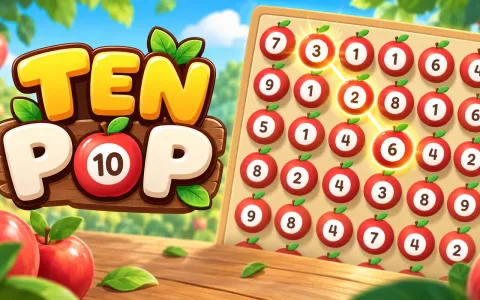 Ten PopBox the apples that add up to tenPlay now
A make-ten puzzle is a number game with one rule: find a group of neighbouring numbers that add up to exactly 10, clear them, and repeat until the board or the clock runs out. Fruit Box, the two-minute apple game, made the idea famous, and Tens! and the Number Match family keep it going. This article explains how the genre works, why a rule that simple still asks for planning, what the two usual modes (a sprint and a calm no-clock mode) are for, and how make-ten differs from other number puzzles such as sudoku and 2048.
The rule in one gesture
The board is a crate of apples, each marked with a number from 1 to 9. You press on one apple, drag a box over its neighbours, and look at the sum. If the numbers inside the box add up to exactly 10, they pop out of the crate when you let go. If not, nothing happens and you try another box.
That is the whole interface. In Ten Pop, the pill above the box shows the running sum and turns green at exactly 10, so you always know if a box works before you commit. A pair like 3 and 7 counts, so does three apples (2, 3 and 5), and so does a long line of ones and twos. The size of the group does not matter. Only the total does.
Ten PopBox the apples that add up to tenPlay nowWhy such a simple rule needs planning
At first the board looks like a pile of obvious pairs, and a 4 beside a 6 is easy to spot. The trouble begins when you take the easy pairs first. Big numbers are picky: a 9 can only go with a 1, and an 8 only with a 2 or two 1s. Small numbers are flexible, since a cluster of ones and twos can be split in many ways. If you spend all your 1s and 2s on easy pairs early, the 9s and 8s are stranded with nothing to match.
So the real skill is ordering. Look for the demanding numbers first, protect the flexible ones, and keep the board in a state where more tens remain available. That is the same idea behind a lot of good puzzles: a rule you can learn in ten seconds and a strategy that takes a hundred games.
Empty cells change the geometry
The other twist is that popped apples leave empty cells, and empty cells count as nothing. A box can stretch across a gap and gather numbers that used to sit far apart. A long thin box over a cleared row can reach two distant numbers in one move.
This is why the board gets more interesting as it empties. Ten Pop starts with 104 apples packed tightly, and every pop opens space, so the second half of a game is a different puzzle from the first. Sweeping the board row by row, rather than hunting all over it, is a simple habit that keeps those gaps useful.
Two modes: sprint and no-clock
Make-ten games usually come in two moods. The sprint is a short race. In Ten Pop, Classic gives you two minutes that start with your first pop, with combos for quick pops in a row, and your score is the number of apples you popped. Here speed matters more than perfection: pop the obvious pairs fast and keep the combo alive.
The calm mode removes the clock. Zen in Ten Pop runs until no box on the board makes ten, and the aim is to empty as much of the crate as you can. The two modes train different habits, one reflex and one patience, and plenty of players start in Zen to learn the board before trying a timed run.
How make-ten differs from other number puzzles
Number puzzles are not all the same kind of thinking. Grid Zen is sudoku: every puzzle has exactly one answer, you fill 81 tiles so each row, column and 3×3 box holds the digits 1 to 9 once, and you never need to guess. It rewards deduction and takes its time. 2048 is about merging: you push the whole board in one direction and equal tiles fuse into bigger ones, so the skill is keeping the grid from filling up.
Make-ten sits between them. It has the look-ahead of a logic puzzle, since you are choosing an order, but the board is never solved in a single correct way, and the feel is closer to a score chase. You pick your own boxes, and a better order means a higher count.
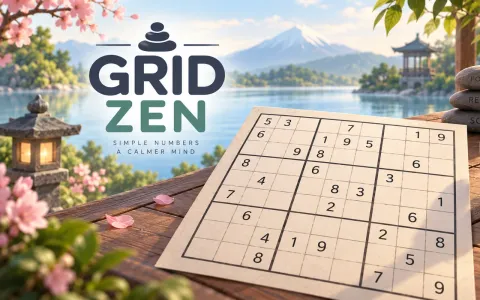 Grid ZenSudoku on soft 3D tiles — one answer, no guessing, three heartsPlay now
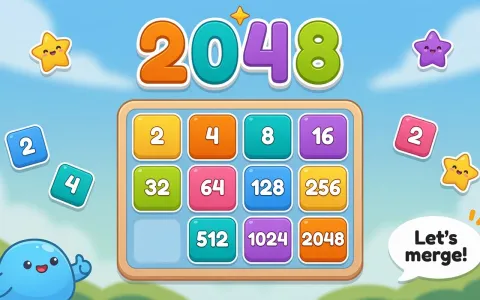 2048Merge the numbersPlay now
Where to go next
If you like the make-ten idea, Ten Pop plays it free in your browser with nothing to install. For slower thinking, try Grid Zen, and for a different kind of number planning, 2048. Whichever you pick, the lesson from the apple crate carries over: the easy move is rarely the best one, and the numbers you leave for later decide how the rest of the game goes.
Frequently asked questions
What is a make-ten puzzle?
A puzzle where you select groups of neighbouring numbers that add up to exactly 10. The selected numbers disappear, and you keep clearing until the board is stuck or the clock runs out.
Is Ten Pop the same as Fruit Box?
It follows the same rule as Fruit Box and Tens!: drag a box around numbered apples that add up to exactly 10. Ten Pop plays free in the browser with a Classic two-minute mode and a Zen mode with no clock.
Do the numbers have to be next to each other?
They have to sit inside the box you drag. Empty cells count as nothing, so as the crate clears, a box can stretch across gaps and reach numbers that used to be far apart.
Which numbers are the hardest to clear?
The big ones. A 9 can only go with a 1, and an 8 needs a 2 or two 1s. Small numbers like 1 and 2 are flexible, so save them for the apples that have fewer options.
Should I play the timed or the no-clock mode first?
Many players start with the no-clock mode to learn how the board opens up, then move to the two-minute sprint for a high score.