


Conveyor belt puzzle games explained: how belt-sorting puzzles work
Published October 14, 2026
 Loop BeltTap the trays, ride the belt, sort every colourPlay now
A conveyor belt puzzle is a sorting game in which the things you sort travel on a moving belt instead of sitting still. You choose what goes onto the belt, the belt carries it past a row of containers, and each item lands where its colour matches. The twist that makes the genre its own is that the belt is a shared, limited space: whatever you send out takes up room until it finds a home. This article explains the rules these games share, what makes them different from other sorting puzzles and how to tell a good one from a plain one.
The basic loop of a belt-sorting puzzle
Almost every game in the genre repeats the same four steps. You have containers (trays, boxes or crates) holding items in order. You pick one and release its top items onto a belt. The belt moves them along a path. Wherever an item reaches a container that accepts it, it drops in, and when a container fills with one colour it clears away.
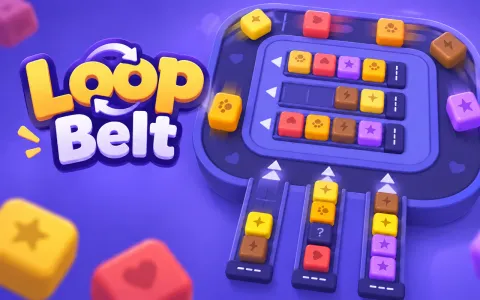
The satisfying part is that you act once and then watch the consequences unfold. In Loop Belt, for example, you tap a tray, its top blocks slide onto a looping belt, ride round and drop into a tray whose top block is the same colour. Four of one colour in a tray clear. You are not placing every piece by hand; you are setting a small chain of events in motion.
Loop BeltTap the trays, ride the belt, sort every colourPlay nowWhat the belt changes compared with other sorting puzzles
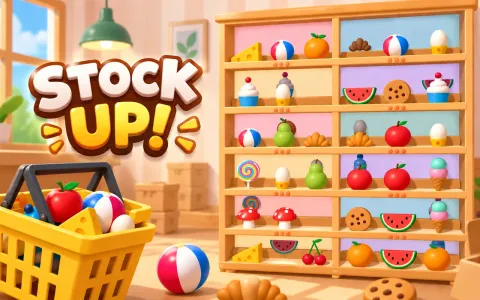
Classic sorting puzzles are about moves. In Gem Sort you pour gems between flasks, and in Stock Up you drag goods into cubbies until three alike clear. In both, nothing happens unless you do something, and the only pressure is a move count or the shape of the board.
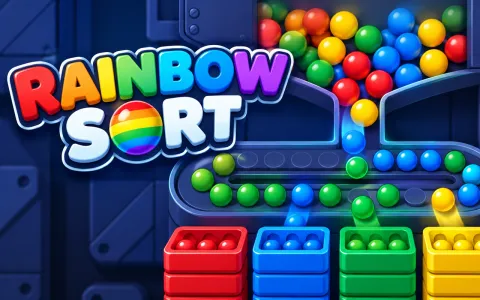
A belt adds a second kind of pressure: space and time. The belt holds only so many items, and anything that has nowhere to go keeps circling and takes up room. Send out more than the belt can hold and it overflows, which ends the level. Loop Belt shows this with a row of dots at the top, and Rainbow Sort ends the same way when the conveyor fills up and jams. So the question changes from where this piece should go to whether the belt can afford this piece right now.
 Rainbow SortRoll every marble into its colorPlay now
 Stock UpSort the goods on the shelf — three alike clear awayPlay now
Skills the genre rewards
Planning ahead is the main one. Before you tap, you check which container will accept what you are about to release. Releasing a run that already has a home is almost free, because it lands and the belt clears again. Releasing one with no home spends belt space for nothing.
The second is patience. Tapping again the moment something is moving is usually a mistake; letting the belt clear before the next release often decides a level. The third is keeping an empty container in reserve. In Loop Belt an item that no tray wants drops into an empty tray instead, so one spare tray turns a dead end into a safe landing. If you want the full set of habits for that game, the Loop Belt guide covers them level by level.
Variations: what moves and where it goes
The belt idea is flexible. In Loop Belt the belt is a loop whose shape changes every level and the items are blocks that split into thin plates while they ride. In Rainbow Sort the cargo is glossy marbles that you release from trays onto a moving conveyor and steer into the box of their own colour, and a filled box clears. In both games you are managing a stream rather than a static board.
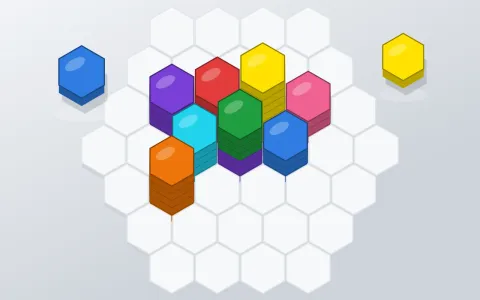
Neighbouring genres borrow the same pleasure without the belt. Comb Sort lets stacks of coloured tiles slide towards their own kind on a honeycomb and lifts a colour away once ten pile up, so the board sorts itself after each move. That auto-sorting feeling, where you decide and the game carries it out, is exactly what makes belt games relaxing to watch.
 Comb SortStack the colors until ten of a kind fly awayPlay now
Why they feel so good to play
Sorting is one of the oldest comfortable puzzles: order is restored, colours match, piles disappear. A belt turns that into motion, so each correct decision is rewarded with a small animation instead of a silent state change. Because the belt keeps moving, you also get a natural rhythm of decide, watch, decide again.
They are also forgiving to learn. The rules fit in a sentence, early levels use few colours and trays, and the difficulty comes from adding more colours, more containers, a shorter belt or items hidden until they reach the top, rather than from new rules. You can try one in a couple of minutes, in the browser, on desktop, phone or tablet, with no download.
Frequently asked questions
What is a conveyor belt puzzle game?
It is a sorting puzzle where items travel on a moving belt past containers and drop into the one that matches their colour. The belt has limited space, so you have to plan what you release.
How is a belt puzzle different from a normal sorting game?
In a normal sorting game you move pieces yourself and nothing changes unless you act. In a belt game, pieces you release keep moving and use up shared belt space until they land.
Why does the level end when the belt is full?
The belt holds only a certain number of items. Items with nowhere to go keep circling, and sending out more than the belt can hold overflows it, which ends the level.
Which belt-style games can I play on crokocat?
Loop Belt, where blocks ride a looping belt into trays, and Rainbow Sort, where marbles are released onto a conveyor and steered into boxes of their own colour.
Are conveyor puzzle games free to play here?
Yes. They run free in your browser on desktop, phone and tablet, with no download and no sign-up.
Guides & tips
Play it here
- Loop Belt — Tap the trays, ride the belt, sort every colour
- Rainbow Sort — Roll every marble into its color
- Stock Up — Sort the goods on the shelf — three alike clear away
- Comb Sort — Stack the colors until ten of a kind fly away