


Paddle Pop: ping pong tips and table tennis strategy that win matches
Published November 1, 2026 · Updated November 25, 2026
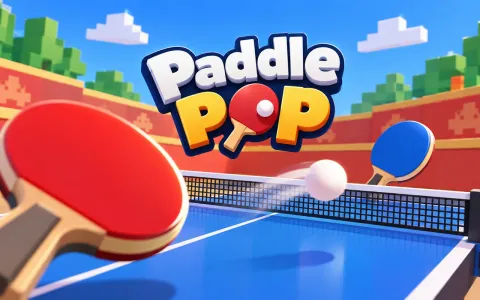 Paddle PopPing pong — beat the computer, one match per levelPlay now
Most points in a ping pong game are lost for dull reasons: the ball was not reached, it clipped the net, or a risky shot went wide. So the best table tennis strategy is also the simplest: get to the ball every time, return it safely, and save the fast shots for when you have time to aim. In Paddle Pop, where your paddle hits by itself and you only decide where it stands, those three habits are the whole game. This guide shows how to build them, level after level.
Know what actually loses a point
Paddle Pop plays by real table tennis logic. The ball has to land once on the other side of the table, and three things lose the point: hitting the net, sending the ball wide, or missing it altogether. That means every point is decided by one of two questions — did you reach the ball, and did your return land on the table?
Beginners tend to blame the computer, but most lost points come from your own side. A return that clips the net or drifts off the edge is a gift. Before you chase winners, aim to make the computer play one more ball than it wants to. Matches go to 5 points (7 from level 6), so a few free errors from the other side decide a lot.
Watch the shadow, not the ball
The ball is flying through a 3D scene, which makes its height easy to misjudge. The shadow under it does not have that problem: it shows where the ball really is over the table. Follow the shadow, and your paddle will be waiting in the right spot instead of a few pixels off.
This matters most on fast balls, when you have very little time between the computer's hit and your own. Make a habit of looking at where the shadow is heading, slide the paddle to meet it, and let the paddle do the hitting — it swings by itself, so you never need to time a tap.
Stay in the middle between shots
Between points of play, return your paddle toward the middle of your side. From the centre you can reach a wide ball in either direction, while a paddle left parked at one edge needs a long slide the moment the computer aims the other way.
On a phone, slide your finger below the table: the paddle sits a little above it, so your finger never hides the ball. On desktop, move the mouse, or use the arrow keys and space to serve. Either way, think of the middle as home base and treat every return as a trip back to it.
Use the paddle edge to aim
Where the ball meets the paddle decides where it goes. The middle of the paddle plays it safe and straight. The edge sends it at an angle, and too far out sends it off the table entirely. So think in three zones: centre for safe returns, a little off-centre for angled shots, and the very tip only when you have to stretch.
The simplest plan is to angle away from the computer's paddle. If it stands on your left, send the ball to the right corner. You do not need a perfect angle — a moderate one is enough to pull the computer out of position and open the table for your next shot.
Push forward for speed, but only when you can aim
Push your paddle forward as you hit and the ball comes back fast and flat. That shot is hard for the computer to reach, and it is the quickest way to finish a rally. It is also harder to control, which is why it loses as many points as it wins when used on every ball.
A good mix looks like this: safe returns while the rally builds, then one fast push when the ball arrives where you can line it up without stretching. If you are late or off-balance, skip the push and put the ball back in play. A safe return keeps the point alive; a rushed smash gives it away.
Climbing the levels and earning three stars
Each level is one match against the computer. As you climb, it gets quicker, aims wider and makes fewer mistakes, so a plan that wins level 3 on autopilot needs more care by level 8. From level 6, matches are played to 7 points, which gives errors more time to even out and rewards steady play.
Three stars go to a match won while dropping no more than a point. That is a clean-play target, not a power-shot one: nearly all of it comes from not giving points away. Serves swap every two points, so use your own serve to place the ball calmly and not to hit a winner.
Frequently asked questions
What is the best strategy in ping pong?
Reach every ball, return it safely and make your opponent miss first. In Paddle Pop that means following the ball's shadow, resetting to the middle after each shot, and saving fast pushes for balls you can aim.
How do I aim in Paddle Pop?
Where the ball meets your paddle decides the direction. The middle plays it straight and safe, the edge angles the shot, and too far out sends it off the table. Pushing forward as you hit makes the return faster.
Why do I keep losing points in table tennis games?
Usually because the ball hit the net, went wide or was never reached. The ball must bounce once on the other side, so a safe return with room to spare beats a risky one.
How do I get three stars in Paddle Pop?
Win the match while losing no more than one point. Keep your returns safe, stay near the middle between shots and use fast pushes sparingly.
Can I play ping pong on my phone without a keyboard?
Yes. Slide your finger below the table to move the paddle and tap to serve. The paddle hits the ball by itself, so you only choose where it stands.
Guides & tips
Play it here
- Paddle Pop — Ping pong — beat the computer, one match per level
- Puck Duel — Air hockey — vs the computer or a friend
- Swish — Basketball flick — ten shots, one hoop
- Strike Alley — Bowling — five frames, one target score