


Ludo vs Parcheesi vs Sorry! vs Mensch ärgere dich nicht: what is the difference?
Published October 10, 2026 · Updated October 13, 2026
 Pawn HomeRoll, race and send rivals back homePlay now
Ludo is not exactly the same game as Parcheesi, but the two are close relatives. Ludo and Parcheesi both grew out of the Indian race game Pachisi, and Mensch ärgere dich nicht is the German member of the same family. Sorry! is the odd one out: it is also a pawn race where you send rivals home, but it is played with cards, not a die. This page sets the four side by side, so you can tell which one you are looking at and which rules to expect when you sit down to play.
The family tree in one paragraph
Everything here starts with Pachisi, a race game from India played on a cross-shaped board. Ludo is its English version. Parcheesi is the American one, and Parchís is the Spanish one. Mensch ärgere dich nicht is the German one, and the name means roughly Man, don't get angry. When a phone game says Ludo, it usually means the simple dice version most people grew up with.
The names changed as the game travelled, and so did small rules. That is why two people who both say they know Ludo can disagree about what happens on a six, or whether pawns can be stacked. The differences below are the ones that actually change how a game feels.
Ludo: one die, a six to start, a race to the centre
Ludo is the simplest of the group. Each colour starts with its pawns in a yard and needs a six to bring one out onto its start cell. The pawns run clockwise around a shared track, then turn up their own coloured home column, and the last steps into the centre need the exact count.
Landing on a lone rival pawn sends it back to its yard. Start cells and stars are safe, and in the version we play two pawns of one colour on a cell guard each other. A six gives you another roll, but a third six in a row ends the turn.
Because there is a single die, luck is large and the decisions are small: which pawn to move, whether to run or to hide on a safe cell, and when to knock a rival back. That is what makes Ludo so easy to teach and so quick to play.
Parcheesi: the same idea with more rules
Parcheesi keeps the cross-shaped board and the race home, but it adds more rules around blocking and safe spaces. Where Ludo is mostly about dodging a single die roll, Parcheesi gives more room to plan, because pawns can work together to block the way.
If you learned Ludo and sit down to a Parcheesi board, expect to read the rules first. The two share a shape and a goal, but a quick game of Ludo and a full game of Parcheesi take different amounts of attention.
Parcheesi is also the name the game has in America, so searches for Ludo vs Parcheesi often come from people who simply want to know which name goes with which rules. The short answer is that they are cousins, not twins.
Mensch ärgere dich nicht: Ludo with a German accent
Mensch ärgere dich nicht is the German relative, and it is the closest of the others to Ludo. The board is cross-shaped, you roll a die, you need a six to come out, and you send rivals back to their yard by landing on them. If you can play Ludo, you can sit down to it and be playing in a minute.
The name tells you the mood. Being knocked back is the whole point of the game, and the name is a request to keep your temper when it happens to you. The differences from Ludo are small house-rule details, which is why many people treat the two as the same game under different names.
Sorry!: the same goal, but cards instead of a die
Sorry! belongs to the same family of pawn races, but it replaces the die with a deck of cards. A card tells you how far to move, and some cards do special things, such as sending a pawn back or swapping places.
That changes how the game feels. With cards you know the shape of the deck and you can play around it, and the special cards add a layer of mischief that Ludo does not have. In Ludo you hope for the right number, while in Sorry! you plan around the cards you have been dealt.
So if a friend says Sorry! is just Ludo, they are half right: the goal is the same, but the engine under it is different.
Which one should you play?
If you want the quickest, easiest game that anyone can learn in a minute, play Ludo. If you want a deeper board game with more to plan, look at Parcheesi. If you like the German version, Mensch ärgere dich nicht plays almost the same as Ludo. And if you prefer cards to dice, Sorry! is the one.
On crokocat, Pawn Home is classic Ludo on a glossy 3D board. You roll the die, bring pawns out on a six, race them around the cross and up your home column, and send rivals back to their yard. Levels pit you against the computer, and you can also play with two or four players on one device, so it works for a quick game or a family night.
If you like your board games sharper and shorter, Five Stones is gomoku on a 3D board, where you get five in a row before the computer does, and Box Claim is dots and boxes, where closing a box gives you another turn.
Pawn HomeRoll, race and send rivals back homePlay now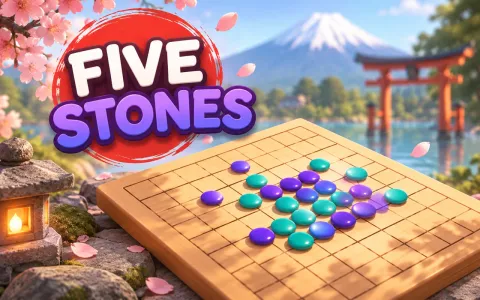 Five StonesGomoku on a 3D board — get five in a row before they doPlay now
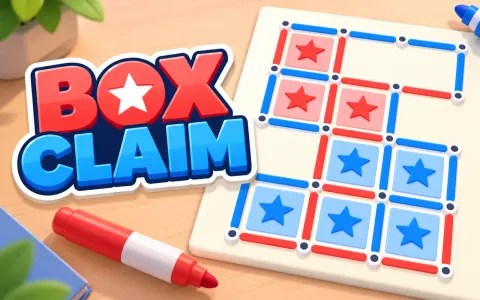 Box ClaimDots and boxes — close a box, go againPlay now
Frequently asked questions
Is Ludo the same as Parcheesi?
Not exactly. Both grew out of the Indian game Pachisi and share a cross-shaped board and a race home, but Parcheesi adds more rules around blocking and safe spaces, while Ludo is the simpler dice version.
Is Ludo the same as Mensch ärgere dich nicht?
They are very close. Both use a die, a six to come out and knocking rivals back to their yard, and the differences are mostly small house rules.
Is Sorry! the same as Ludo?
No. Sorry! is also a pawn race where you send rivals home, but it uses a deck of cards instead of a die, and some cards have special effects.
What is Ludo called in other countries?
The same family of games is known as Pachisi in India, Parcheesi in America, Parchís in Spain and Mensch ärgere dich nicht in Germany.
Where can I play Ludo free in a browser?
Pawn Home on crokocat is classic Ludo on a 3D board. It is free, runs in your browser on desktop, phone and tablet, and needs no download or sign-up.
Play it here
- Pawn Home — Roll, race and send rivals back home
- Five Stones — Gomoku on a 3D board — get five in a row before they do
- Box Claim — Dots and boxes — close a box, go again